
Elon Musk is telling his followers to cancel Netflix subscriptions. Here’s what’s happening
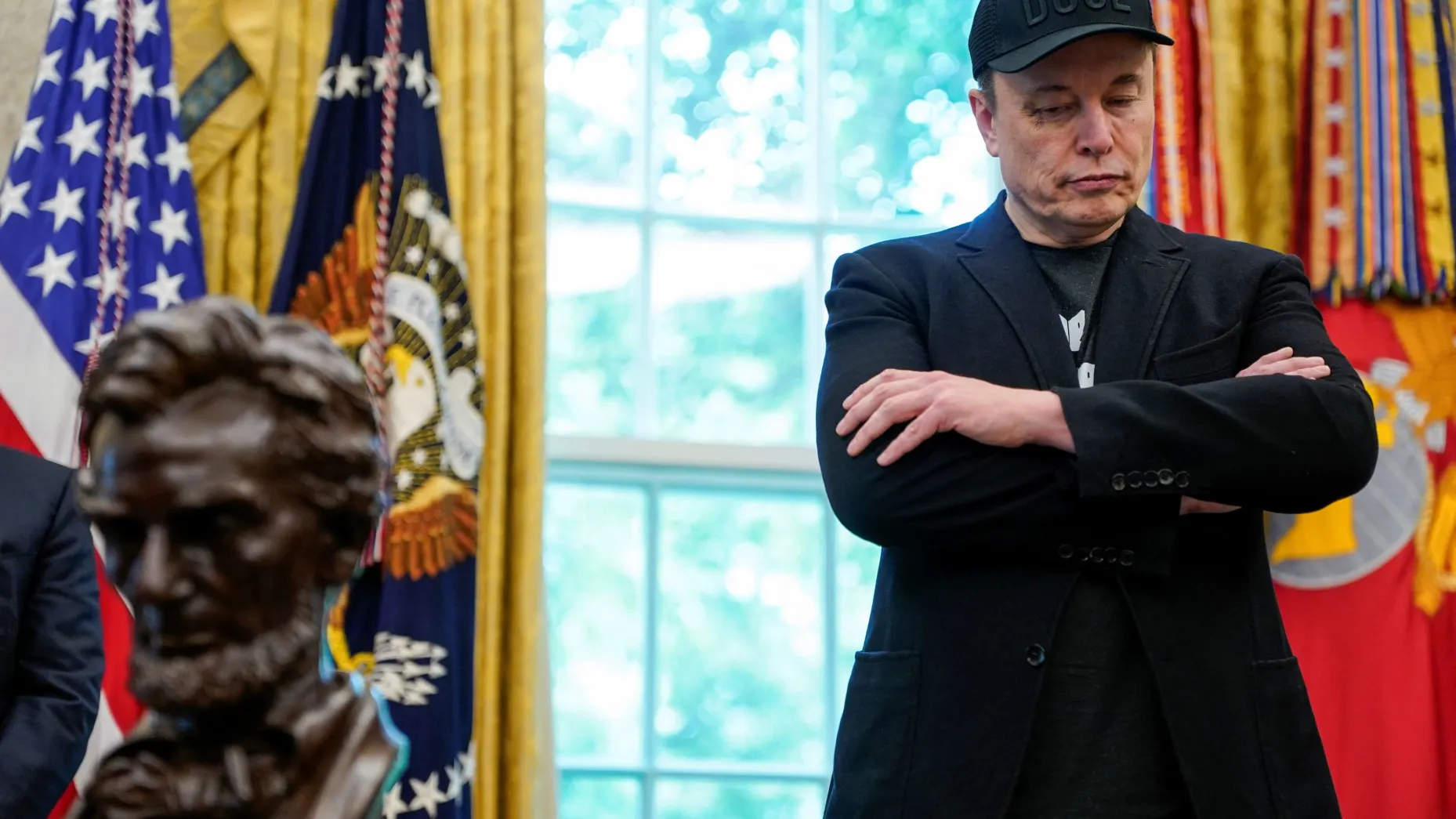
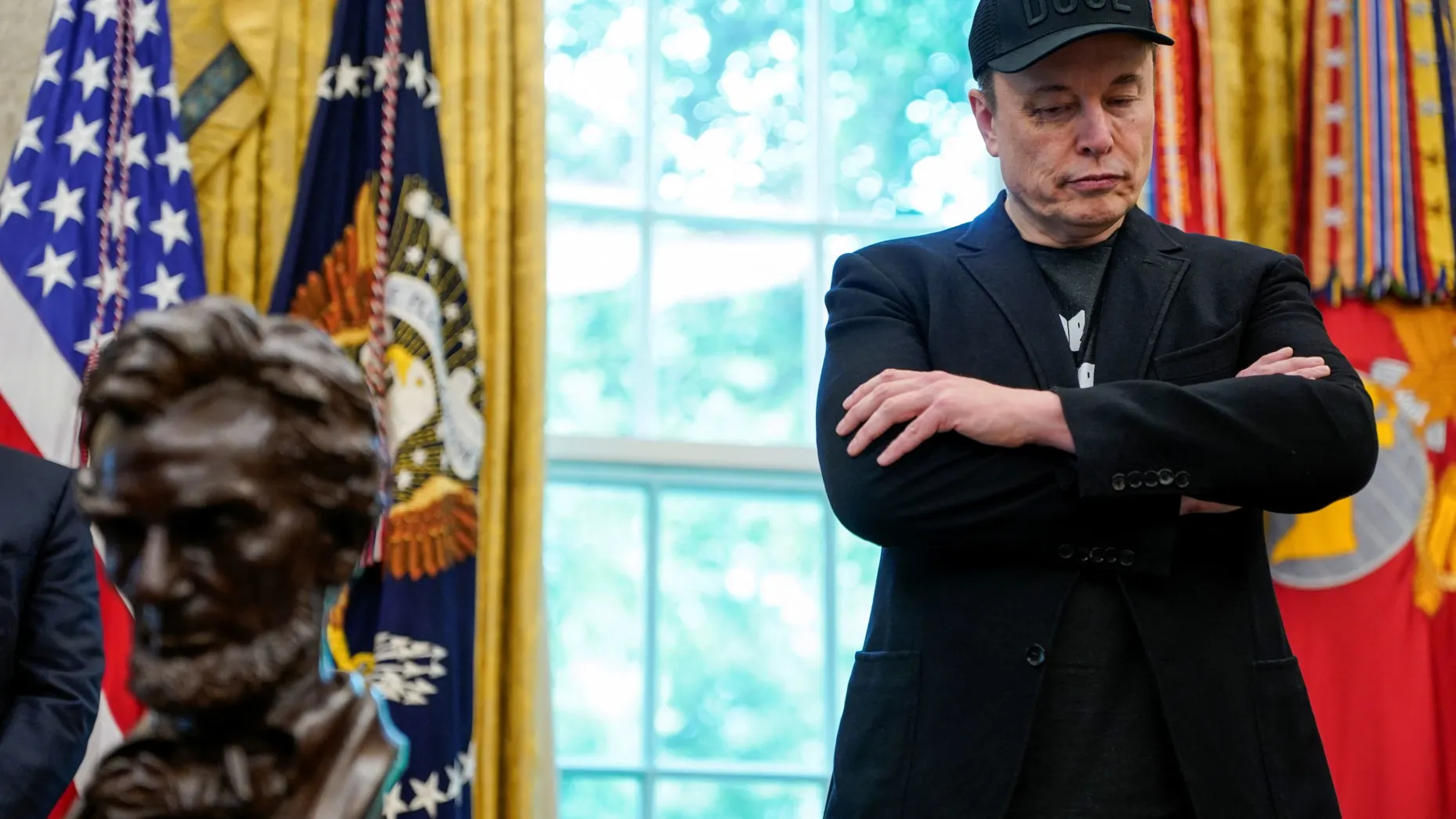
Elon Musk stands in the Oval Office to attend a press event with U.S. President Donald Trump, at the White House in Washington, D.C., U.S., May 30, 2025.
San Francisco — Tesla and SpaceX CEO Elon Musk has called for a boycott of Netflix, urging his followers on the X platform to cancel their subscriptions "for the health of your kids." The call to action is part of a broader conservative backlash against the streaming giant, centering on criticism of its content and alleged ideological agenda.
The controversy appears to stem from renewed attention on "Dead End: Paranormal Park," an animated Netflix show that features a transgender character and was canceled in 2023 after two seasons. Musk's post, which included an image accusing Netflix of promoting a "transgender woke agenda," amplified existing criticisms from conservative activists. Among them is Robby Starbuck, who has recently targeted major corporations over diversity initiatives and argued that Netflix promotes an ideology "hateful to White Americans."
Show Creator Responds as Debate Intensifies
Hamish Steele, the creator of "Dead End," responded to Musk's callout on the rival social platform Bluesky, stating, "It's probably going to be a very odd day." Steele and supporters of the show have defended it as a "brilliant show about kind, wonderful characters," highlighting the polarized nature of the debate.
Musk's intervention elevates a cultural skirmish into a high-stakes public relations challenge for Netflix, placing the company at the center of the ongoing "culture wars." While Netflix has not publicly commented, the incident underscores the increasing pressure on media companies to navigate contentious social and political divides—a complex strategic landscape where business decisions are intensely scrutinized.
A Reflection of Broader Cultural Divisions
The episode is more than a dispute over a single show; it reflects a deeper strategic pivot in how public figures and activist groups engage with corporate America over content and values. For Netflix, which operates in a fiercely competitive entertainment ecosystem, balancing creative expression with diverse audience expectations remains an ongoing and delicate challenge. Musk's prominent boycott call tests whether such campaigns can tangibly impact subscriber loyalty or simply reinforce existing ideological divisions among consumers.
Recent
News


Newsletter
Subscribe to our mailing list to get the new updates!

Subscribe our newsletter to stay updated
Most
Reviews
Markets
Markets
- Sat, 17 Jan 2026
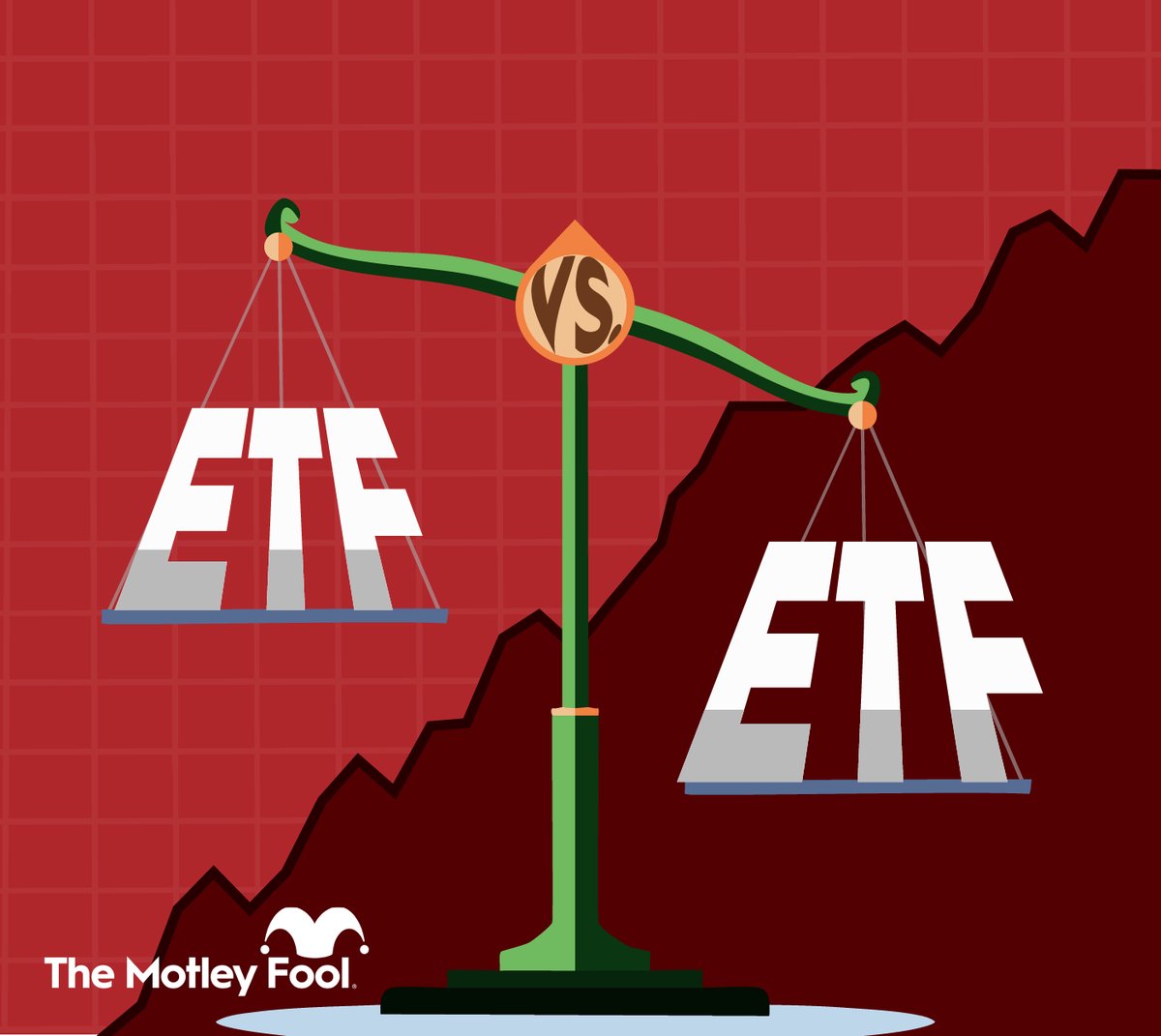
100 Tech Leaders or 30 Industry Titans: QQQ vs. DIA Showdown
Finance
- Tue, 20 Jan 2026
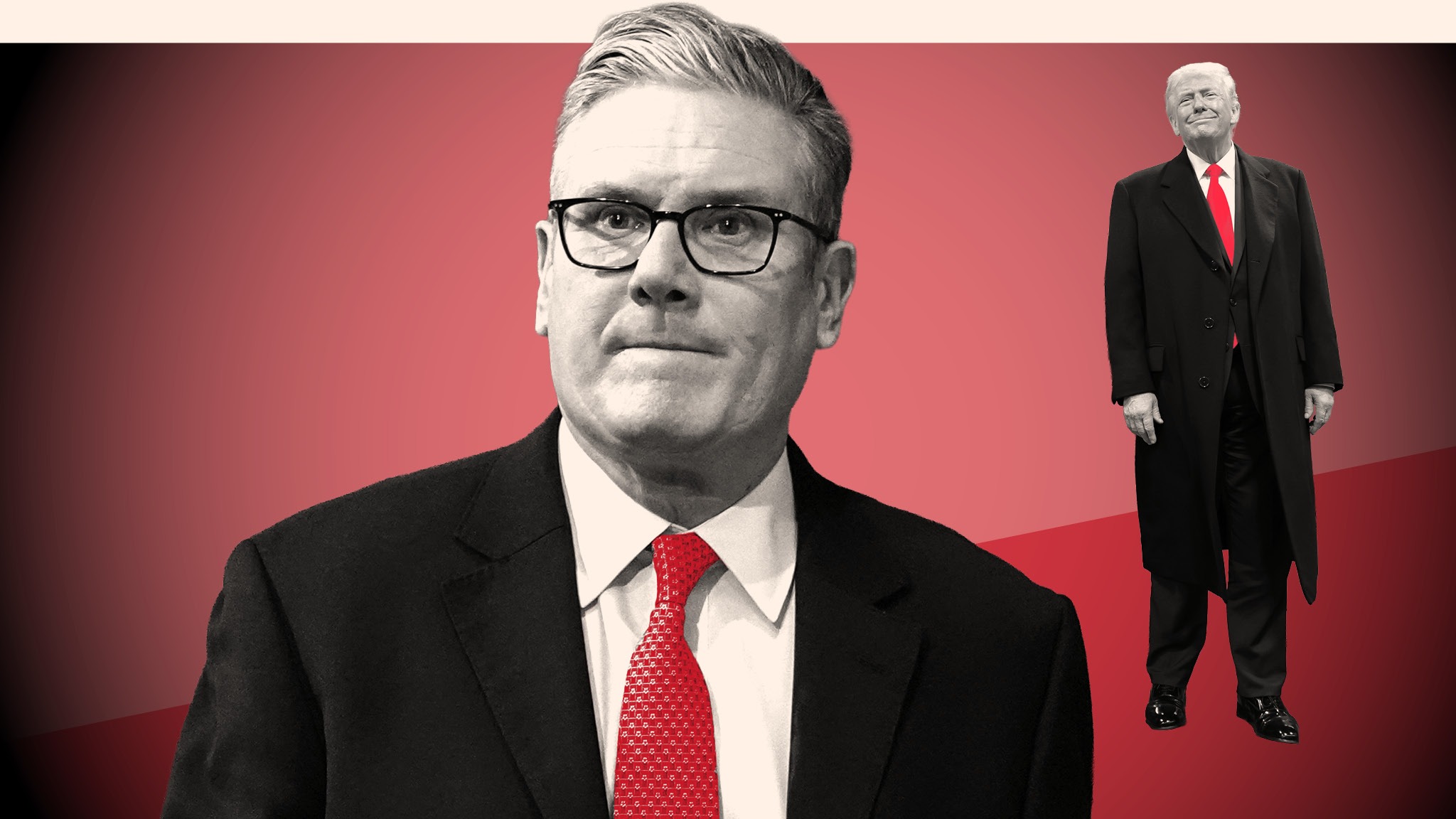
Trump launches attack on Starmer as UK-US tensions mount
Business
- Tue, 27 Jan 2026
UPS to cut additional 30,000 jobs in Amazon unwind, turnaround plan
Business
- Wed, 28 Jan 2026